

A HYROX Training Equipment Guide for Every Station
The Only Equipment Guide You Need for Your HYROX Training Plan
HYROX events are coming thick and fast across the UK. London in March marked the third event of the year, with Cardiff still to go at the end of April. The buzz around the competition keeps bringing new athletes into this hybrid training.
You might just be finding out what HYROX is, or maybe you’re freshening up your HYROX training plan for a mid-year European trip. Either way, the quality of your equipment determines how effective your training will be.
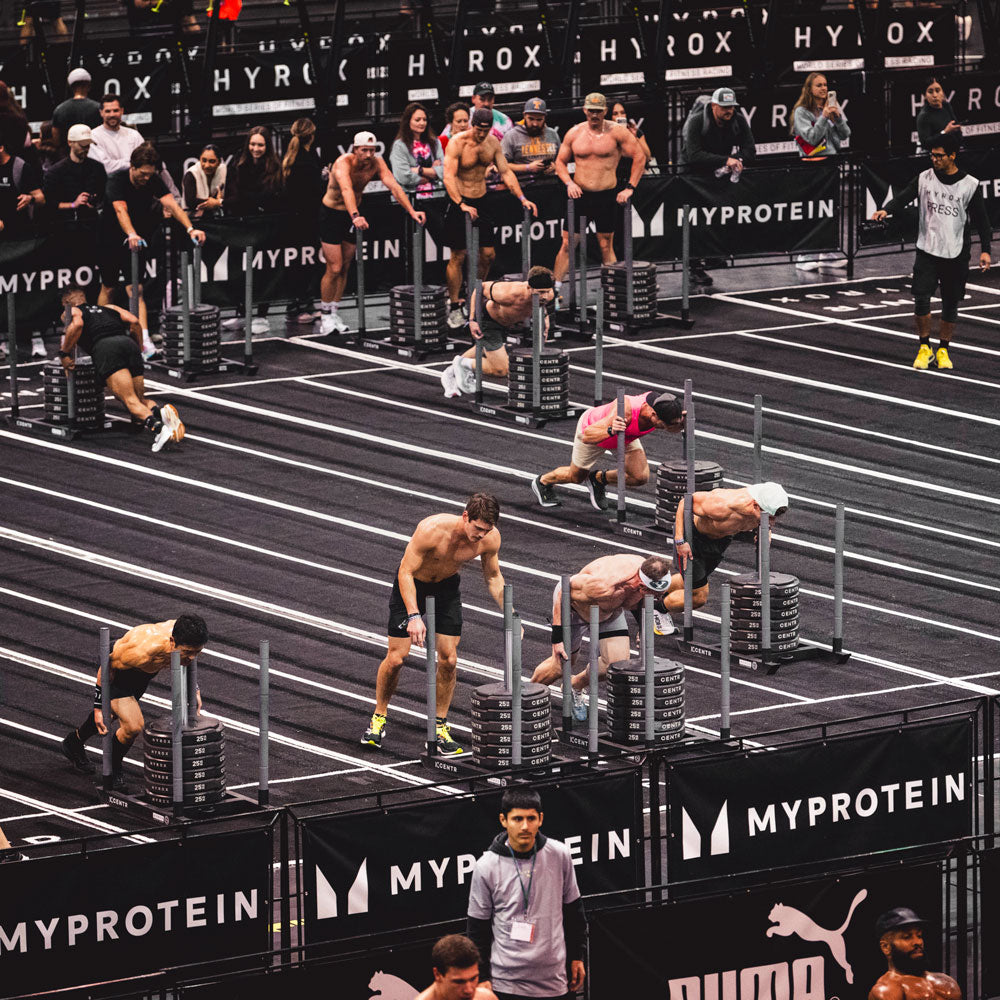
Why the right HYROX training equipment matters
Your HYROX race performance depends on how efficiently and consistently you trained, which is largely reflected by the equipment you used, not just how much effort you put in. The quality of training influences your progression and injury risk, and as HYROX demands a lot from you physically, using unsuitable or poorly designed equipment can be dangerous.
The NHS treats around 2 million sports-related injuries every year, and data from the Gym Safety Council found that around 96,000 gym equipment-related incidents happen in the same period. With roughly 10.9 million gym users, that’s roughly 1 in 100 equipment-related injuries. Ouch.
Gym equipment should be the stable part of your training while you work on the hard stuff, like handling your mindset, fatigue and form. The last thing you want is to hurt yourself when training for HYROX and give up your competition spot.
You can avoid injury and stalls in your progress by using specifically designed HYROX kit. Letting your setup work with you, not against you, means you can train harder.
The essential HYROX equipment to train for every station
HYROX rewards performance, so if your equipment doesn’t match race conditions, you’ll feel the gap on race day. This means more friction in your movements, the load and volume feeling heavier than you’re used to, and fatigue creeping in when it didn't during training.
Below is what actually matters when choosing equipment for each station, whether it’s a home gym or you’re updating commercial gym equipment.
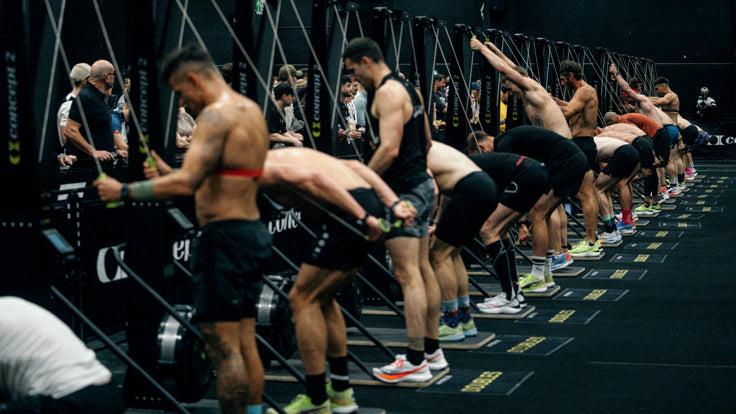
SkiErg and rowing machine (Station 1 & 5)
The SkiErg and rowing machine might seem like standard cardio stations, but they’re where your pacing is tested. Air-resistance machines can feel very different from cheaper home versions or lighter ones found in some gyms. Your cardio setup should allow you to manage exertion and provide reliable workout data so you can balance training and tracking.
To prepare properly, you need:
- An air-resistance SkiErg
- A rowing machine with ergonomic design (especially if you’re taller)
- A stable base or secure wall-mount system
- Quality products that are built for high-volume, intense use
Budget machines often feel smooth at lower effort and may be ideal for beginners, but when you start to push hard in your HYROX training, they become unstable and unreliable.
When choosing HYROX cardio equipment, prioritise consistent resistance, structural stability and long-term durability over price. For home gyms, wall-mounted options can save space. For commercial gyms, you need it to withstand rigorous use from high member volume.
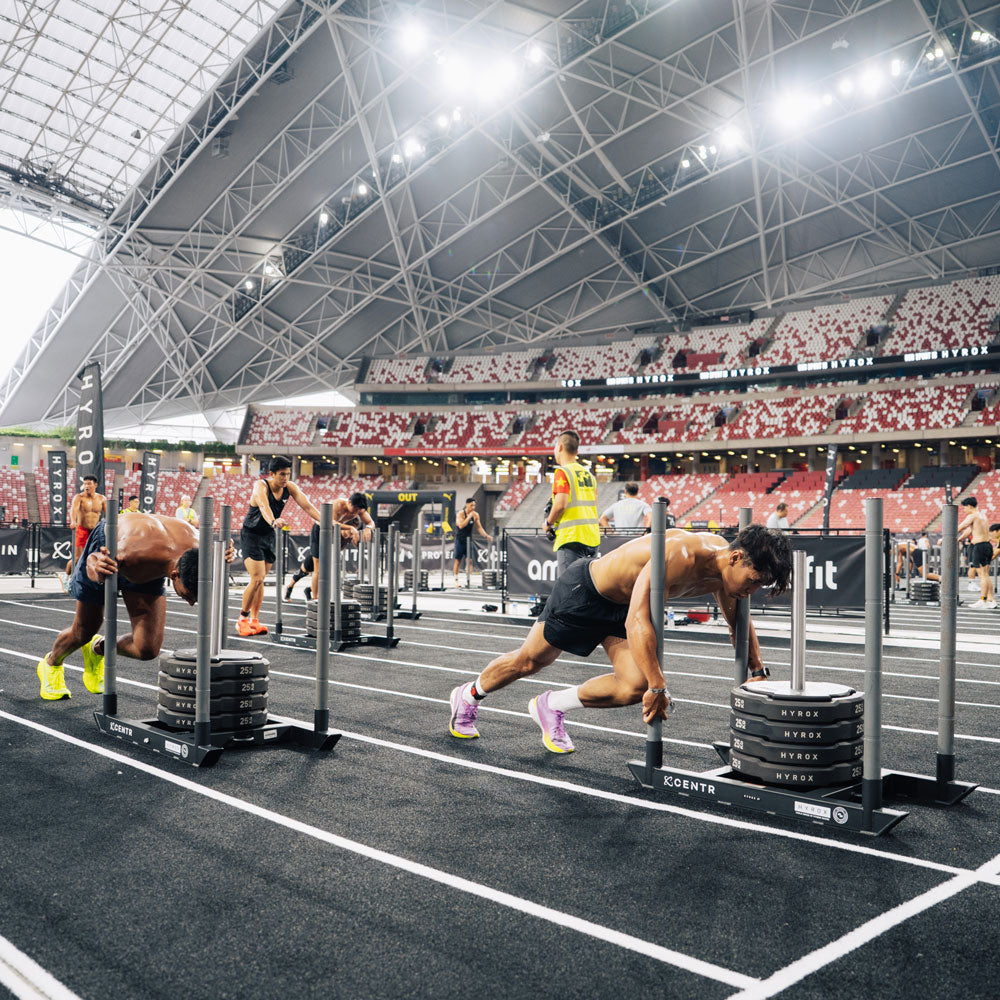
Sled push and pull (station 2 & 3)
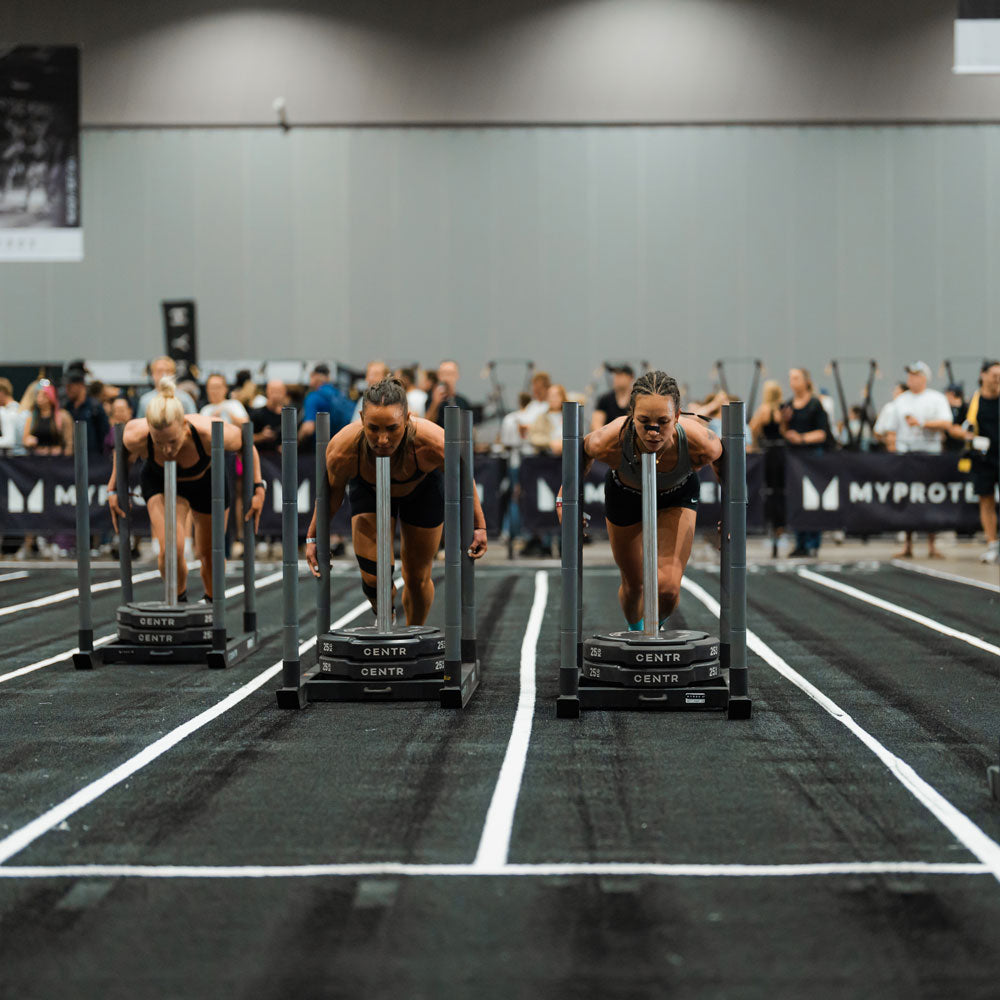
The sled push and pull may feel harder on race day, not because you’re weaker, but because friction changes everything. Surface density, sled ski material and overall load capacity can make the resistance a lot higher than what many athletes train with at home or at commercial gyms.
If your HYROX equipment setup doesn’t reflect the real race, your strategy will suffer. Mirroring the race helps you develop stronger form and efficient drive under fatigue. No brute strength here, just well-practised positioning on training equipment that can handle intensity.
To prepare properly, you need:
- A heavy-duty steel sled frame capable of handling competition-level loads
- Bumper plates suitable for heavy loading
- A secure pull rope attachment for sled pulls
- A dedicated turf lane of at least 10-15 metres
Lightweight sleds made from cheaper materials can flex or tip under heavy weight and become unreliable with consistent, rigorous use. If your flooring isn’t on dedicated turf, it might feel even harder when you compete as the drag will be different.
Don’t choose your next sled on price alone. Instead, consider if it has a plate post tall enough for full bumper loading, if it’s made from high-quality steel, and if the load capacity can exceed competition weight. Ergonomic grip design is also a bonus. For home gyms, you may also want to think about sleds with a compact design to save space. For commercial gyms, repeated-use performance and durability matter far more.
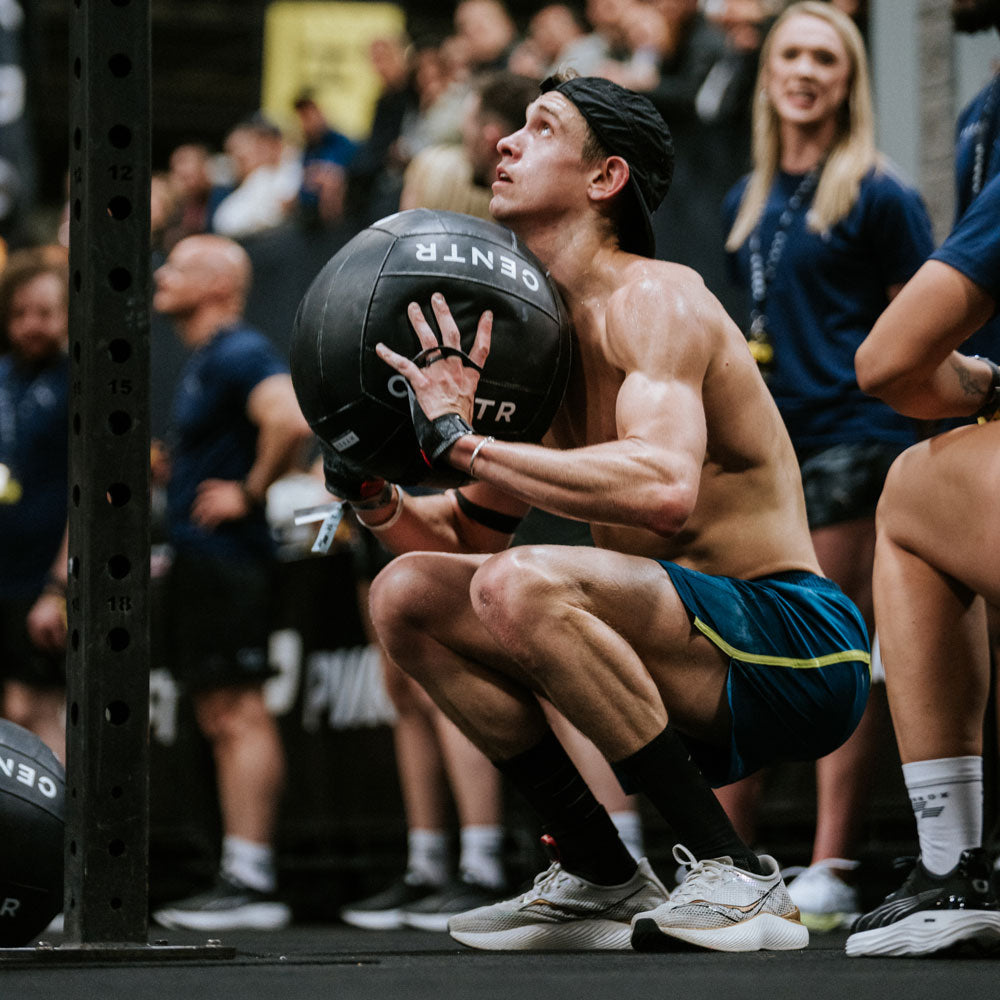
Functional strength essentials (station 4, 6, 7 and 8)
HYROX isn’t about lifting as heavy as possible, even if you feel strong and capable of upping the weight. The race is designed around maintaining quality movement when fatigued, and if your training doesn’t improve your poor posture and weak grip, you’ll be left feeling exposed.
Training with lighter weights than the competition standard can be great for beginners, but if you’re taking HYROX training seriously, this might create a false sense of readiness. Your equipment should challenge you to keep control under fatigue, not make sessions easier.
To avoid a false sense of security, you’ll need:
- Wall balls in competition-appropriate weights
- Kettlebells suitable for loaded carries
- Sandbags with secure, evenly distributed filling in a robust design
- Durable dumbbells for repeated use
4 is burpee broad jumps, should this be included here or not at all?
Low-quality gym equipment falls apart in a matter of weeks of repeated use, which is disheartening for you and your bank balance when you finally dedicate yourself to a HYROX training plan. Wall balls can split, inconsistent kettlebell handles affect grip, and poorly filled sandbags can throw you off mid-movement.
Don’t let your or your member’s form fall apart by not choosing equipment designed for HYROX training. This means you need to match competition weights and opt for durable materials used in races. For home training, fewer high-quality pieces are more effective than a large collection of lighter options. For commercial gyms, durability and range should be the priorities to suit your members’ needs.
Flooring and layout (all stations)
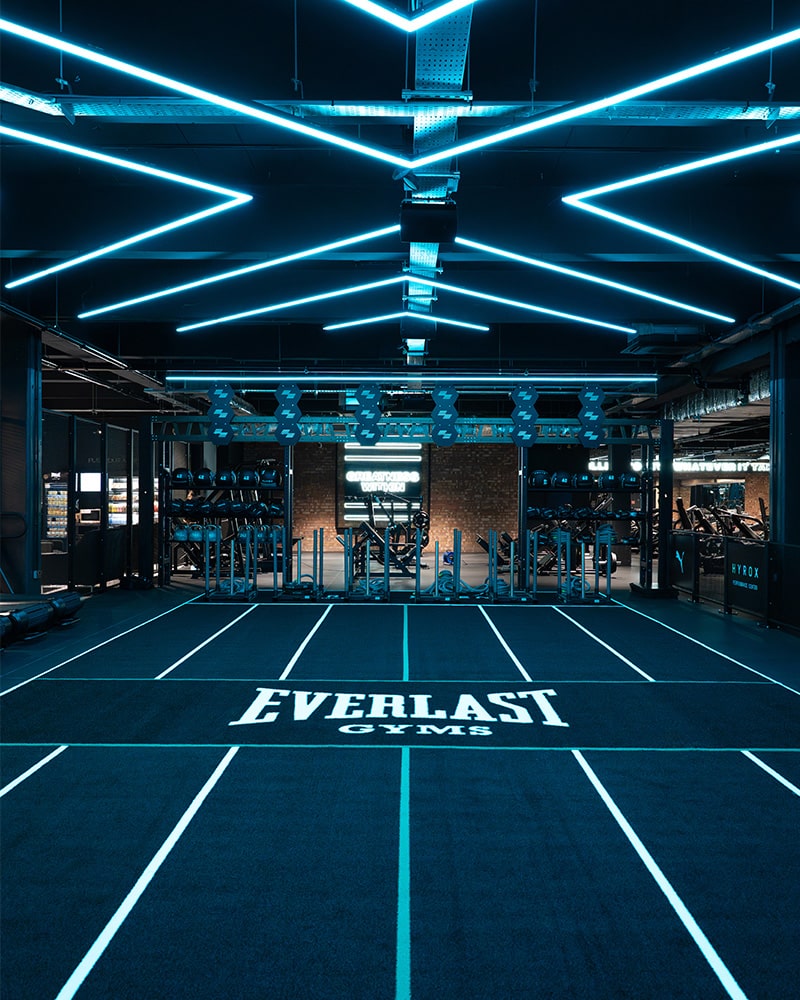
One of the most overlooked parts of HYROX preparation is the surface you train on. Carpet, cheap turf and even fake grass are far from the race simulation you need to train properly, as they affect sled resistance, can cause stress to your joints, and reduce the equipment’s lifespan. Uneven floor tiles are even riskier.
We’ve seen some gyms that don’t even have sled turf and members train on rubber flooring instead. They wonder why their times aren’t consistent, and it’s because they’re not replicating race friction. On the other side, gym owners question why they’re constantly replacing rubber tiles, and it’s because they haven’t installed the dedicated equipment to support intense usage.
To help your HYROX training, you need:
- Commercial-grade rubber flooring in lifting areas
- A dedicated turf lane with competition design for sled push and pull work
- Adequate ceiling height for wall balls
- Clear space between stations
- Efficient storage to keep your gym safe and tidy
For home gyms, smart layout planning gets the best out of your limited space and awkward angles. For commercial facilities, a well-designed HYROX training zone improves both performance and member experience.
Get competition-ready with Wolverson Fitness
As official HYROX affiliates, we understand what hybrid fitness and conditioning demands from athletes and the spaces they train in. With over 25 completed HYROX gym design projects, we supply and install competition-ready equipment built to handle the intensity of all the preparation.
If you’re creating a home setup or a dedicated HYROX training zone for your commercial gym members, our team can help you source and install equipment designed for durable and reliable performance.
Explore our HYROX-ready equipment range or speak to our gym design team about building your space.